Optimal Timing for Concrete Service
Concrete service involves various processes such as pouring, finishing, and sealing. The timing of these activities significantly impacts durability, appearance, and longevity. Proper scheduling ensures optimal curing and minimizes issues like cracking or surface defects.
Spring and fall generally provide moderate temperatures ideal for concrete application, reducing the risk of rapid drying or freezing during curing.
Extreme heat, cold, or rainy weather can hinder proper setting and curing, leading to structural weaknesses or surface imperfections.
The best temperature for concrete placement is between 50°F and 80°F, ensuring proper curing and strength development.
Rapid temperature changes can cause cracking or uneven curing, which may compromise the integrity of the concrete.
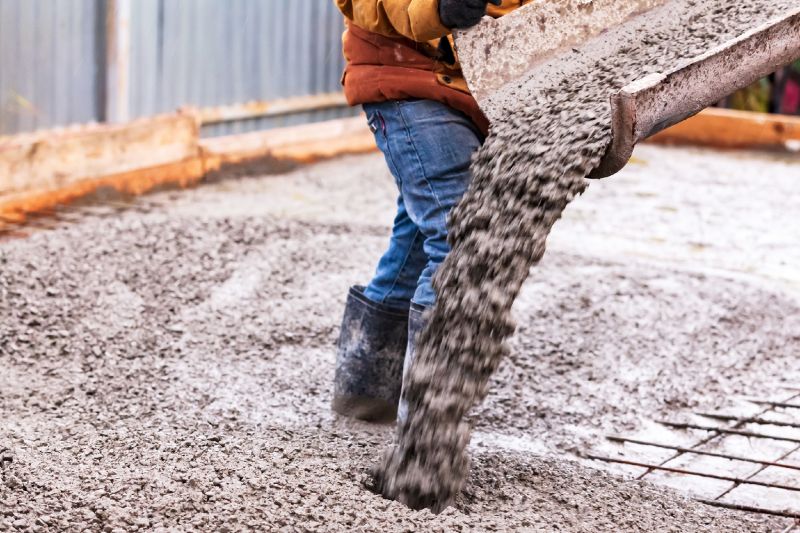
Concrete being poured during optimal spring weather conditions.
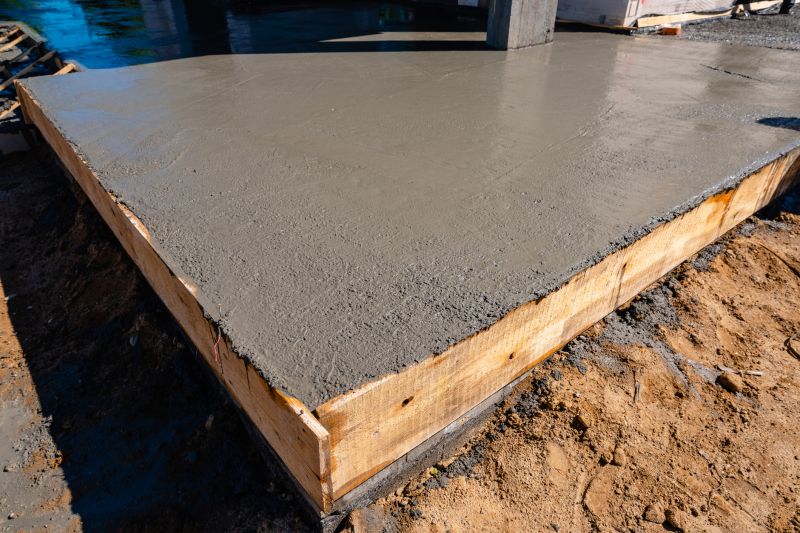
Proper curing under controlled temperature conditions.
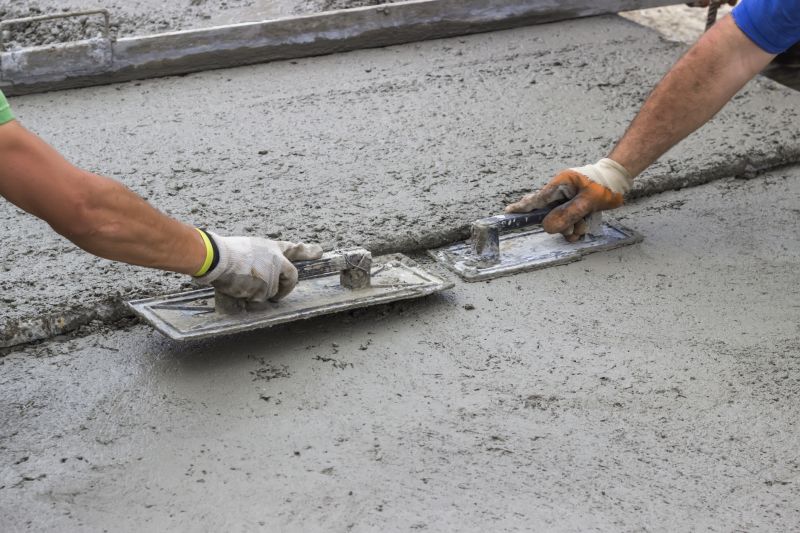
Smooth and durable concrete surface after finishing.

Concrete work performed during ideal fall temperatures.

Monitoring weather conditions before scheduling concrete work.

Use of heaters or covers to manage temperature during cold weather.

Proper timing reduces the risk of cracking due to temperature shifts.
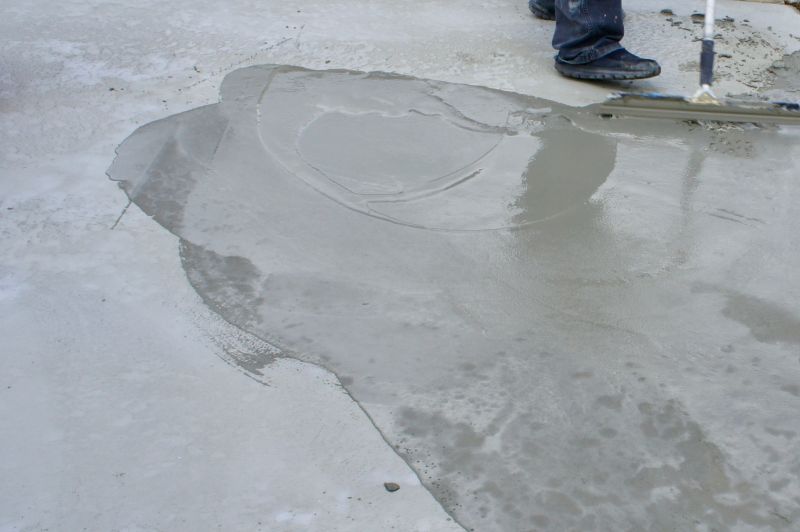
Final finishing steps performed under optimal conditions.
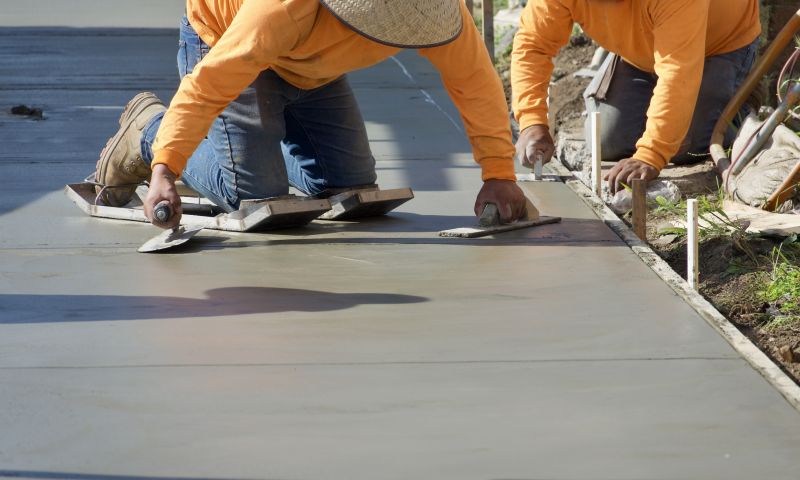
Active concrete placement with appropriate weather considerations.
| Season/Condition | Recommended Action |
|---|---|
| Spring | Schedule concrete pouring during moderate temperatures and dry weather. |
| Summer | Avoid peak heat hours; consider early morning or late afternoon. |
| Fall | Ideal for concrete work due to stable temperatures and low precipitation. |
| Winter | Use heated enclosures or additives if work is necessary during cold months. |
| Rainy Weather | Delay or protect work to prevent water interference. |
| Extreme Heat | Implement cooling measures to prevent rapid drying and cracking. |
| Freezing Temperatures | Postpone until temperatures rise to ensure proper curing. |
Concrete services encompass a range of activities including pouring, finishing, sealing, and curing. The success of these processes depends heavily on timing, weather conditions, and temperature management. Proper scheduling during favorable conditions ensures the concrete achieves its desired strength and surface quality. It is essential to monitor weather forecasts and plan concrete work accordingly to prevent issues such as cracking, surface imperfections, or compromised structural integrity. Accurate timing not only enhances durability but also reduces the need for costly repairs and maintenance over time.

Equipment used during optimal weather conditions.

Protective coverings applied during curing in suitable weather.
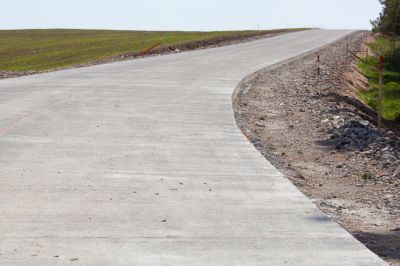
A durable driveway completed under ideal timing.
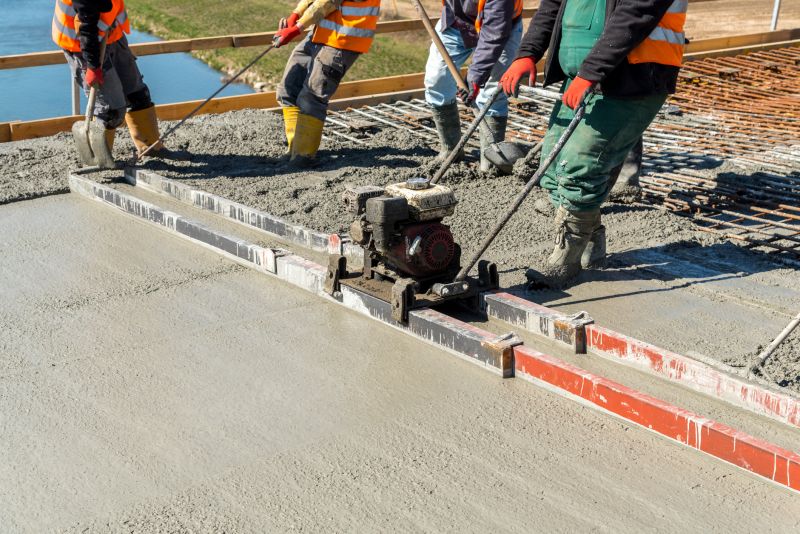
Preparation work aligned with suitable weather conditions.
Choosing the right time for concrete service is crucial for achieving optimal results. Factors such as temperature, humidity, and weather stability influence the curing process and final surface quality. Proper planning and timing can prevent common issues like cracking, surface scaling, and uneven curing. Consulting with experienced professionals ensures scheduling aligns with favorable conditions, leading to longer-lasting, high-quality concrete installations.
For assistance with scheduling or questions about concrete timing, contact a professional to ensure the best results.